
A bold diplomatic break
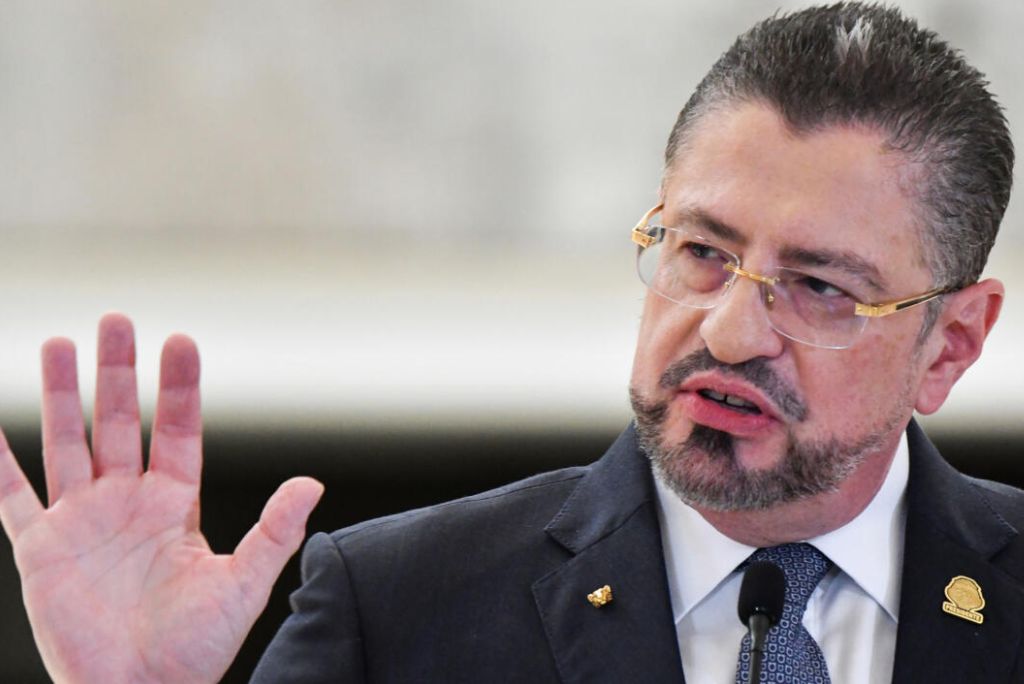
President Rodrigo Chaves announced that Costa Rica will close its embassy in Havana and limit relations with Cuba to consular services starting April 1. He ordered Cuban diplomats in San José to withdraw and said his government no longer recognizes the legitimacy of the communist regime in Havana. Chaves made the decision public at a press conference near the northern border with Nicaragua, and said the move was taken together with President-elect Laura Fernández as a final act before the transition in May.
Why Costa Rica acted
The government says worsening living conditions in Cuba made normal diplomatic representation impossible. Officials point to shortages of food, medicine, and basic services, plus a rise in repression against activists and opponents. Foreign Minister Arnoldo André Tinoco explained the embassy in Havana had been operating without diplomatic staff since early February because the humanitarian and security situation had deteriorated to the point where maintaining a standard diplomatic presence was not feasible.
Strong language and a clear stance
Chaves did not mince words. He stated that Costa Rica would not give legitimacy to a regime that oppresses its own people and used a memorable line about removing communist influence from the hemisphere. That tough talk signals a firm rejection of totalitarianism and aligns Costa Rica with other regional moves away from authoritarian governments. Whether you cheer the rhetoric or cringe at the phrasing, the policy is unmistakable.
Havana fires back
The Cuban Foreign Ministry called Costa Rica’s action arbitrary and accused Chaves of acting under U.S. pressure, blaming the American blockade for Cuba’s economic ills. Havana said the decision ignored national interests and the impact of sanctions. Expect both sides to keep trading statements as each defends its narrative to domestic and international audiences.
Practical arrangements and public reaction
Costa Rica will maintain consular services for its citizens from Panama, while Cuba can keep a minimal team to assist roughly 10,000 residents in Costa Rica. The announcement sparked protests outside the Cuban diplomatic mission in San José, showing the issue divides opinion at home. Supporters praise Costa Rica for taking a stand against repression. Critics warn the move could escalate tensions and complicate humanitarian access for ordinary Cubans.
How this fits with U.S. pressure
Officials framed the decision as consistent with a broader policy of pressuring the Cuban regime, a posture that aligns with the tougher measures pursued by President Donald Trump. That alignment underscores a regional shift among some governments toward pushing back at Castro-style authoritarianism instead of normalizing ties. Whether this policy brings change in Havana remains uncertain, but it does signal clear political solidarity with Cubans demanding freedom.
https://twitter.com/5toPoderSM/status/2034429368924066035?ref_src=twsrc%5Etfw
WE’D LOVE TO HEAR YOUR THOUGHTS! PLEASE COMMENT BELOW.
JIMMY
Find more articles like this at steadfastandloyal.com.