
What happened at the Strait of Hormuz
On March 14 Iran’s foreign minister announced the Strait of Hormuz is open to all countries except the United States and Israel, claiming only enemy tankers are barred. The comment came after U.S. strikes on Kharg Island, Iran’s biggest oil export hub. That message was meant to sound tough. In reality it is a political move wrapped in military theater. The United States hit military targets but left the oil infrastructure standing. President Donald Trump publicly warned that he held the option to change that choice if shipping was threatened, a clear message that freedom of navigation is a U.S. priority.
How much Iran needs oil revenues
Iran’s whole economy runs heavily on oil. Last fiscal year the regime earned about $65.8 billion from oil, petroleum products, and gas while the state budget was estimated at roughly $45 billion. That means crude sales alone exceed the budget. When your government’s bills depend on one commodity you have leverage, but also vulnerability. Economic pain at home can quickly undermine strategic options abroad, and Iran has been feeling that pain for years.
China is the main customer
Roughly 80 percent of Iran’s oil goes to China. Beijing buys Iranian crude at a discount, sometimes around eight dollars a barrel under Brent, which helps Chinese manufacturers offset weak profit margins. That cheap oil matters to China’s factories. But dependence runs both ways. If Iran’s exports fall, China loses a low cost source. And China has warned publicly and privately about the risks of upsetting global energy markets, showing it is not eager to become fully entangled in Tehran’s political gambits.
Kharg Island was the heart of exports
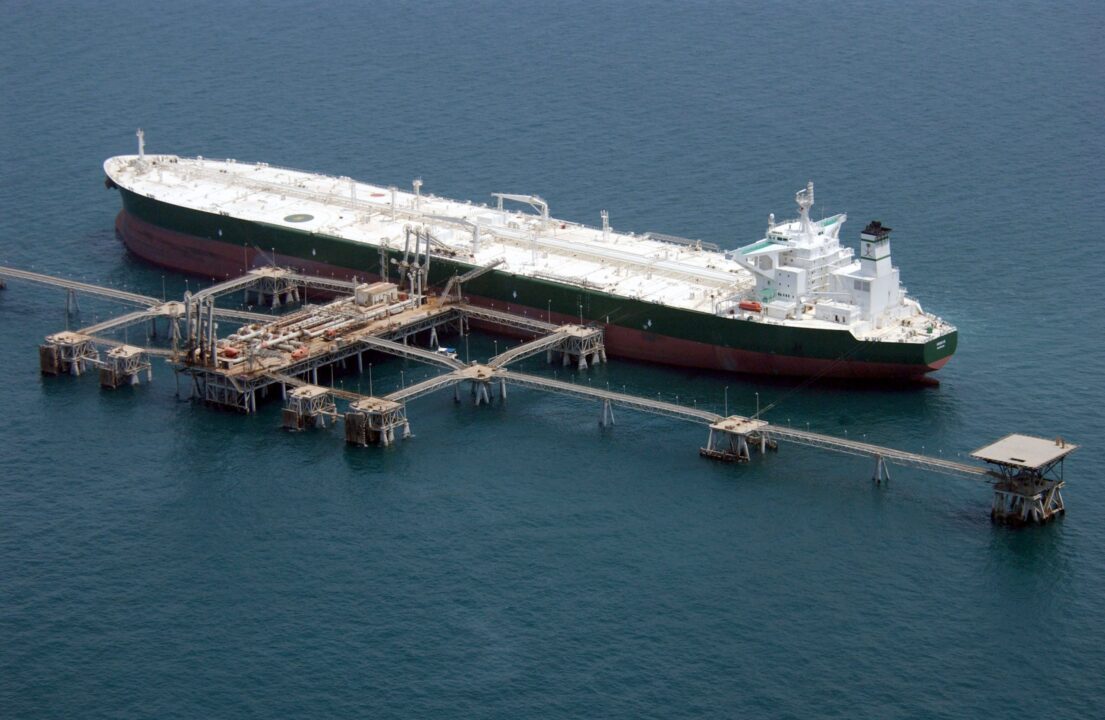
Kharg Island handled about 90 percent of Iran’s crude exports and has been called vital to Iran’s oil system since at least the 1980s. U.S. strikes destroyed military stores there, including mine and missile bunkers, while deliberately sparing the oil facilities. That tactic weakens Iran’s ability to threaten shipping while avoiding immediate disruption to global supply. But the damage to the military infrastructure still reduces the regime’s hands on the decks where it might orchestrate future attacks.
Jask and other alternate routes are limited
Iran has been pushing the Jask terminal on the Sea of Oman as a bypass to avoid Hormuz. In practice Jask is slow and logistically awkward. Very Large Crude Carriers can take up to 10 days to load at Jask compared with one or two days at Kharg. Saudi Arabia moved fast to convert its East West Pipeline to full capacity and redirect flows to the Red Sea, but that creates new chokepoints and can not fully replace all flows from the Gulf. Many Gulf neighbors have no viable bypass at all, which keeps regional energy vulnerable even as some routes shift.
Iran’s strike and drone capacity after the attacks
Their missile and drone campaign has been blunted. Reported missile and drone strikes have fallen by roughly 92 percent since the conflict began, and U.S. and Israeli strikes destroyed large portions of launch infrastructure. Iran did have a significant drone industry before the war, with estimates of monthly production near 10,000 units. That capacity allowed prolonged harassment early on. But continued strikes on factories and warehouses make sustained high rate production unlikely. Iran can still cause problems, but it is not operating from an unbreakable position.
Wider regional moves and vulnerabilities
Saudi Arabia and other Gulf states reacted quickly to keep oil moving. Saudi Aramco pushed Yanbu exports sharply higher and the East West Pipeline now carries far more crude westward. That helps cushion Asian markets, but the shift sends tankers through the Red Sea and Bab el-Mandeb, which carries its own risks. Iraq, Kuwait, Qatar, and Bahrain face tougher choices because they lack bypass routes and have already cut output where storage filled up. The short term adjustments work. Long term gaps remain and can be exploited by whoever controls regional security.
Who has real leverage now
Iran tries to act like the king of the choke point. The truth is mixed. Iran still has tools to menace shipping, but its economy depends on exports and its military supply lines have been damaged. The United States, backed by regional partners, can target launch sites and industrial facilities to reduce threats. At the same time other Gulf producers can reroute and boost exports to limit global disruption. If President Donald Trump chose to hit oil infrastructure, Iran’s export capacity could collapse further. That would be devastating to Tehran. So for now the balance of power favors the U.S. and its allies even as the region remains fragile.
WE’D LOVE TO HEAR YOUR THOUGHTS! PLEASE COMMENT BELOW.
JIMMY
Find more articles like this at steadfastandloyal.com.