
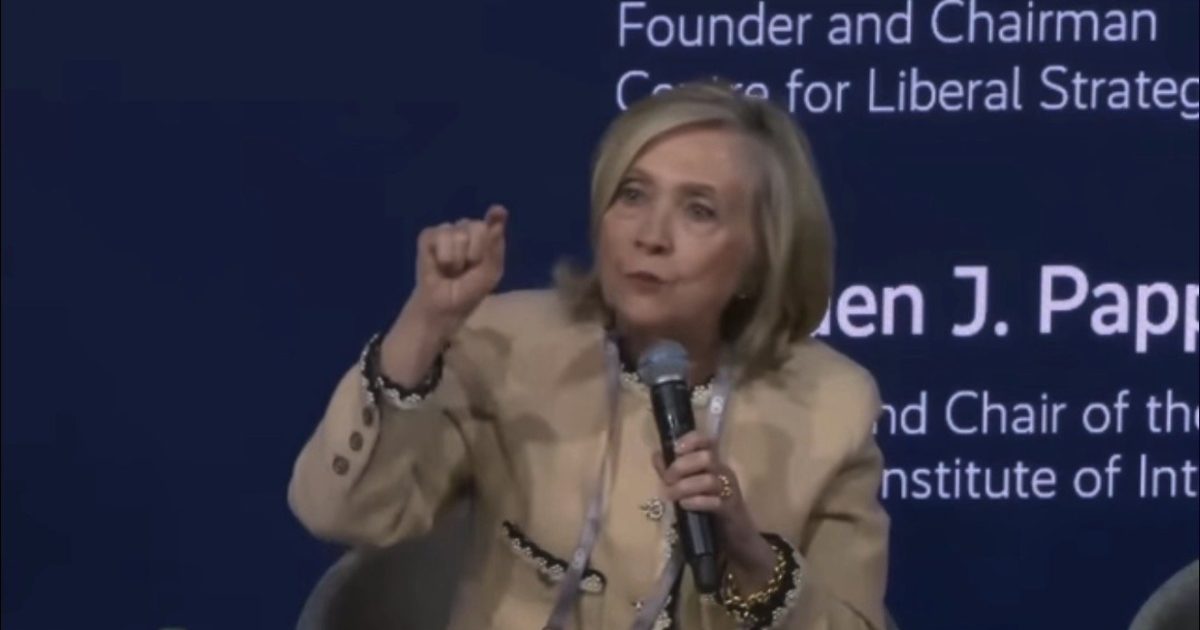
What happened in Munich
Hillary Clinton spoke at the Munich Security Conference and did not hold back. She criticized conservatives, defended expanded civil rights, and blamed recent U.S. border actions for cruelty toward migrants. The tone was pointed. She argued that some people want to return to a past that favored white men and old economic rules, and she said that this nostalgia left many Americans out. Whether you agree or not, she made her case loudly and aimed it at both European and U.S. audiences watching the debate about migration and national identity.
Claims about immigration and children
Clinton claimed more people were deported under Bill Clinton and Barack Obama and that children were not put into detention camps then. That is a bold statement. Records show that family detention and child separations have occurred under multiple administrations and that policies and handling at the border have changed over time. The key point she tried to make was that the current approach is harsher, but her historical comparison simplifies a complicated record that includes different practices, courts, and agency actions over many years.
Race and identity in her remarks
She spoke about the expansion of rights for Black Americans, women, and gay people as triumphs of American freedom. Her message: progress allowed more people to join the national fabric. She framed conservative resistance as concern about the effect of social changes on family and institutions. That is a familiar argument from both sides. For conservatives it sounds like a rallying cry to protect traditions and for liberals it reads like a defense of inclusion. Clinton used history to push the inclusion angle, and she did not hide her frustration with those who resist it.
On nostalgia and ‘making America great again’
Clinton said that the push to “make America great again” was nostalgic and primarily benefited white men and capitalist interests. That kind of rhetoric is designed to provoke and to force a choice. Critics will say it unfairly paints millions of Americans as reactionary. Supporters will say it calls out real exclusionary tendencies in history. Either way it is a political choice to frame the debate in stark moral terms. Clinton chose moral framing over a detailed policy road map at the panel.
Her admission that immigration ‘went too far’
She did acknowledge that migration has been destabilizing and that the system needs fixes. That is a rare moment of agreement across much of the political spectrum. Even people who strongly favor legal immigration recognize the need for secure borders and humane processes. Clinton called for solutions that both secure the border and avoid cruelty. The challenge, as always, is which policies actually accomplish both goals without creating perverse incentives or legal problems.
A tense exchange with a foreign minister
Video from the event shows interruptions and some heat during a back-and-forth with Czech Foreign Minister Petr Macek. By some accounts she did not let him finish and he pushed back. These panel clashes are not unusual at international conferences. They tend to highlight style as much as substance. In this case the interruption made headlines because it fit the narrative of partisan conflict that many Americans watch closely.
Why conservatives should care
Conservatives should pay attention because Clinton is still a leading voice on the global stage and she is shaping the narrative about migration, family, and American identity. Her argument links social change, immigration, and civic norms into a single story. That forces conservatives to answer not just with policy but with a positive case for what they want America to be in the years ahead. If conservatives only react they will lose the argument about culture and history.
WE’D LOVE TO HEAR YOUR THOUGHTS! PLEASE COMMENT BELOW.
JIMMY
Find more articles like this at steadfastandloyal.com.