
Mamdani’s Budget and the Tax Threat
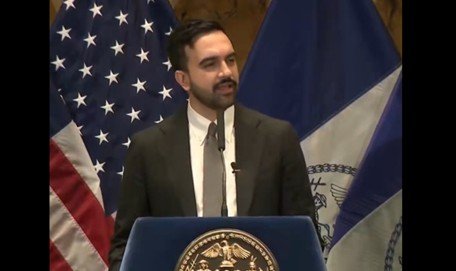
Mayor Zohran Mamdani unveiled a $127 billion city budget and told New Yorkers he may have to raise property taxes to plug a multibillion dollar shortfall. He said the hike would be needed if state lawmakers in Albany decline to pass new taxes on wealthy residents or businesses that could help cover the gap. Saying you do not want to raise taxes but then threatening one is classic politics. Still, this is real money that would come out of the pockets of homeowners and small businesses across the city if it happens.
BREAKING: New York City Mayor Zohran Mamdani plans to raise NYC’s property taxes for the first time in more than two decades and is looking to raid the city’s reserve funds to fill a roughly $5 billion budget gap, per Bloomberg.
— Leading Report (@LeadingReport) February 17, 2026
How Albany Fits Into the Picture
Any move to raise property taxes in New York City will need sign off from state officials, which means Governor Kathy Hochul and Albany lawmakers get a say. Mamdani campaigned as a democratic socialist and has pushed for higher taxes on the wealthy, but Albany could decide to act differently. That political tug of war will determine whether property owners are on the hook or whether Albany finds other revenue sources to help close the gap. Expect bargaining, finger pointing, and a lot of public pressure from both sides.
What This Means for Homeowners and Businesses
A property tax increase would hit middle class homeowners and local businesses hard, especially in neighborhoods still recovering after recent storms and service disruptions. Property taxes are not optional for most families. When municipal costs rise, homeowners often feel the pinch through higher bills and slower economic activity. If this goes forward, city residents should prepare for tougher choices about spending, moving, or selling property if taxes climb enough to change budgets at the kitchen table.
Storm Fallout and the Fiscal Reality
Mamdani’s office also says the city is still dealing with fallout from last month’s winter storm that broke down trash collection and ice removal in parts of the city. Emergency costs plus weakened revenue streams can quickly eat into reserves. City leaders are talking about dipping into reserve funds to cover a roughly five billion dollar gap while also threatening a tax hike. That is a risky mix that deserves scrutiny from taxpayers who will pay the bill.
WE’D LOVE TO HEAR YOUR THOUGHTS! PLEASE COMMENT BELOW.
JIMMY
Find more articles like this at steadfastandloyal.com.