
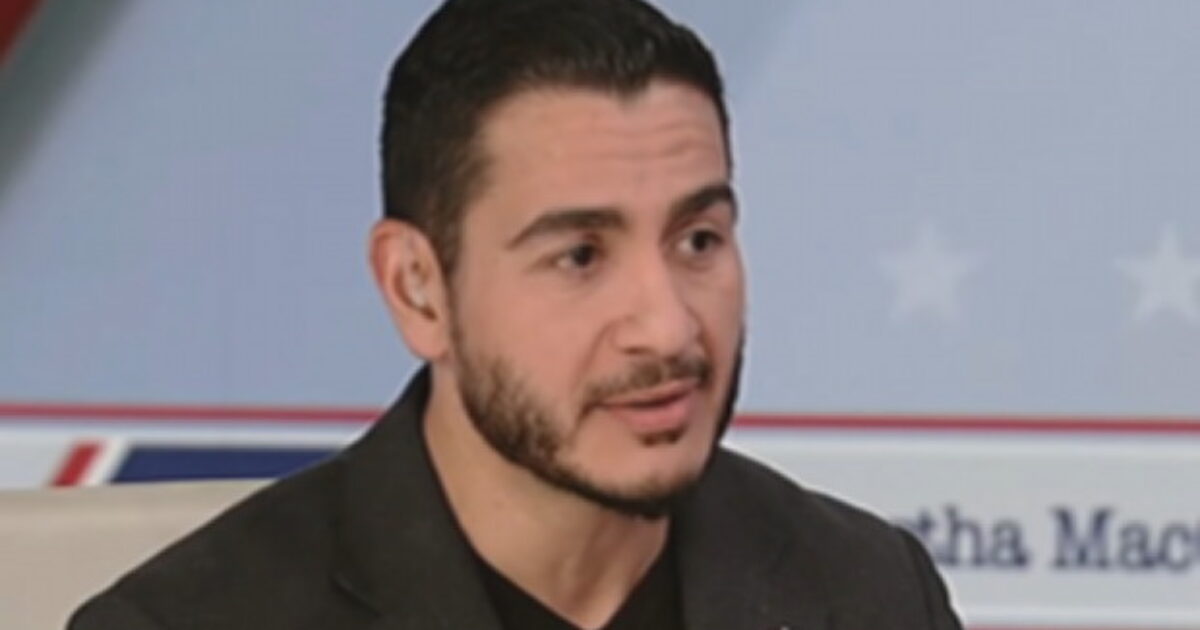
One Simple Question in Michigan
On September 23, 2026, Iman Dashti, a University of Michigan student of Iranian heritage, put a direct question to Michigan Democratic Senate candidate Abdul El-Sayed: Did he oppose the Islamic Revolutionary Guards Corps, or IRGC? Dashti cited El-Sayed’s earlier refusal to comment on the death of regime leader Ali Khamenei. El-Sayed had said that many people in Dearborn were sad that day. Dashti then asked whether he renounced people who held vigils supporting Khamenei “for all the stuff that he’s done.” Instead of answering yes or no, El-Sayed criticized U.S. foreign policy and said he did not believe the U.S. government should pursue regime change. Dashti also described family suffering, saying his cousin was hunted in Iran by the IRGC over an improperly worn hijab. He later said the cousin’s uncle was sentenced to death and received 50 lashes.
The Question Turned Into a Personal Cost
The exchange did not end with a policy answer. According to the account, Dashti became the target of an online harassment campaign that included the publication of his personal information. El-Sayed later repeated his position during an October 8 debate with Republican opponent Mike Rogers. He equated the Islamic regime with Israel, saying that “both of them have proven dangerous in their own way,” and called the conflict with Tehran “a war we shouldn’t be fighting.” He blamed people such as Rogers for pushing that war for 20 years. That posture is notable because opposing the Khomeinist regime, at least openly, would once have been an easier political position for a Michigan candidate to take. The article argues El-Sayed speaks so freely because he has a voting base that shares his views.
Clerics Urged Support in the Primary
The account also connects El-Sayed’s thin-margin Democratic primary win on August 4 to Muslim voters mobilized by clerics described as supportive of Tehran. On July 31, Shi’a cleric Hassan Qazwini, head of the Islamic Institute of America, urged his Dearborn congregation to vote for El-Sayed, saying, “The way to deal the Zionist a bigger blow is to go and cast your vote on Tuesday, and don’t allow the Zionist candidate to win.” El-Sayed had spoken at Qazwini’s institute on June 6. Hassan Qazwini’s family is described as a religious dynasty from Karbala, Iraq, that relocated to Qom, Iran. Hassan is a graduate of the Qom seminary where the regime’s leadership is educated. That same July 31, Hassan’s relative Mohammad Qazwini delivered a similar appeal in Canton. His congregation, MECCA, was founded by Saleh Qazwini, another Qom seminary graduate who has been recorded repeating Khomeinist conspiracy theories. The account also says Mohammad Qazwini was filmed celebrating Senator Lindsay Graham’s death and asking worshipers to pray that God strike down President Trump.
More Endorsements Raised Iran Questions
Other sermons reinforced the same political message. On August 3, cleric Husham Al-Husayni endorsed El-Sayed in Dearborn and urged congregants to send a message to “Zionist lowlifes.” El-Sayed was present and said Michigan’s inadequate social services were tied to U.S. spending on wars against Muslims overseas. Al-Husayni had said in 2022, “Thank God we have the Islamic Republic of Iran.” On June 23, Hojatoleslam Mohammad Ali Elahi told his Dearborn congregation that voting for El-Sayed was a religious obligation to stop “this war against Iran.” The account identifies Elahi as a participant in Iran’s 1979 Islamic Revolution who served as director of the Iranian Navy’s Political-Ideological Department beginning in 1982. It says he later led research and documentation for the Martyrs Foundation, served on the editorial board of the English-language Tehran Times, and came to the United States in 1991, citing a 1993 U.S. Institute of Peace report.
Michigan Shi’ite Islamic Scholar Saleh Qazwini: U.S. and Israel Seek to Sow Chaos in Iran; Who Benefits from Killing Protesters? Not the Iranian Government; The Killing Began Right After Trump Warned Killing Protesters Would Trigger American Involvement pic.twitter.com/O2jnE4FfUy
— MEMRI (@MEMRIReports) January 21, 2026