
Rubio Rejects Amnesty’s Framing
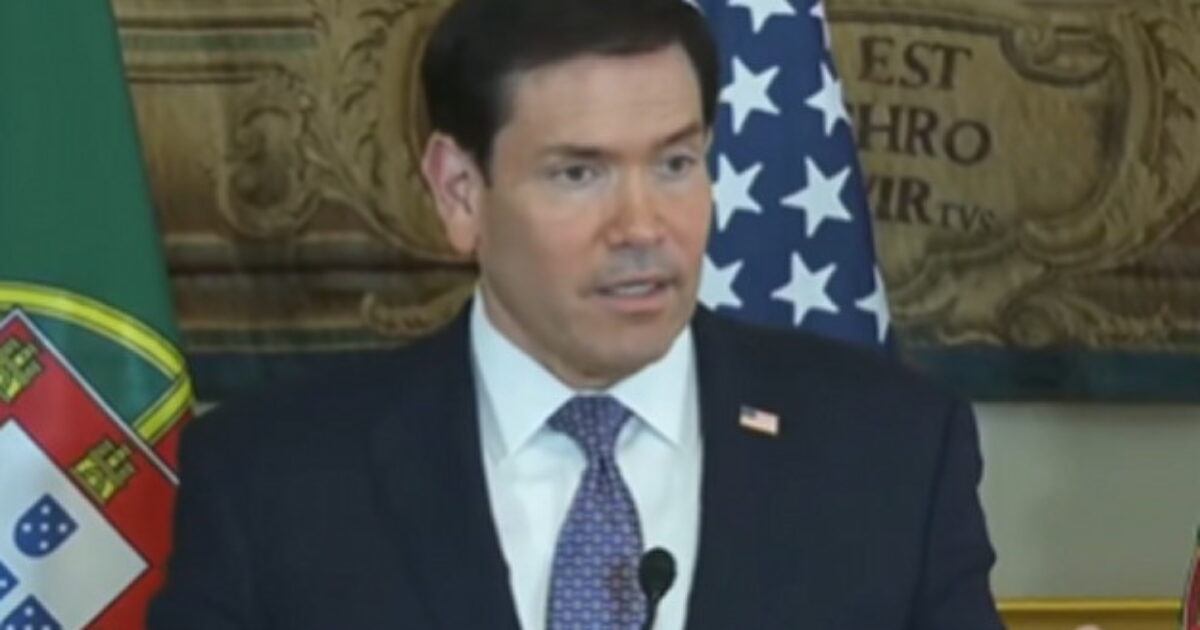
Secretary of State Marco Rubio was asked by reporters on Thursday to respond to Amnesty International’s accusation that U.S. and Israeli actions in Iran amount to “war crimes.” Rubio rejected the setup instead of accepting a one-sided lecture about American and Israeli conduct. He turned attention to the Iranian regime, saying Amnesty should focus on what he described as the regime’s murder of tens of thousands of its own citizens in Tehran and elsewhere. He also challenged the organization’s credibility directly, calling Amnesty International “a fraud.” That is not the sort of answer usually produced by a room full of carefully polished talking points. Rubio’s point was plain: before international groups rush to condemn the United States and Israel, they should account for the conduct of governments that brutalize their own people.
He Points to Iran’s Crackdown
Rubio then described the conduct he said Amnesty should investigate. According to his account, the Iranian regime has killed tens of thousands of protesters in cold blood in recent months. He said the regime has also sent people into hospitals when injured protesters were receiving care, murdering some patients in their beds and, in some cases, the doctors or nurses who treated them. Rubio labeled those acts war crimes and crimes against humanity, emphasizing that the victims were Iranian citizens and the alleged perpetrators were acting against their own people. The details make the dispute more than a familiar Washington argument over wording. They put a direct question before organizations that claim to defend human rights: Will they give the same attention to Iran’s alleged abuses that they give to accusations aimed at the Trump administration and Israel? Public pressure often travels in only one direction, and Rubio clearly wants to reverse the traffic.
The Exchange Fits Rubio’s Broader Fight
The exchange also fits Rubio’s broader criticism of international bodies that he says have moved beyond their mandates and national sovereignty. Rubio has targeted the International Criminal Court with sanctions, including sanctions against some of its leading officials individually. That context helps explain why he did not answer the reporters on their terms. He treated the question as part of a larger fight over who gets to define justice, who gets to enforce it, and whether global institutions apply their standards evenly. A clip of the exchange, shared by Eric Daugherty, captures Rubio’s response and the moment when the question about alleged U.S. and Israeli war crimes in Iran was redirected toward Iran’s own record. It is a sharp political contrast, and one that is difficult to miss when the camera is running. The argument is now on video, which is usually where carefully managed narratives meet the inconvenience of an actual answer.
Watch the exchange below.
🚨 HOLY SMOKES. Sec. Marco Rubio just MIC DROPPED Amnesty International attacking the US for "war crimes" in Iran
"You know what I think Amnesty International should be focused on? An Iranian regime that M*RDERED in cold blood tens of THOUSANDS of people in the streets of Tehran… pic.twitter.com/aOAPGiS9dV
— Eric Daugherty (@EricLDaugh) October 8, 2026