
The Court Splits 5-4 on Ballot Deadlines
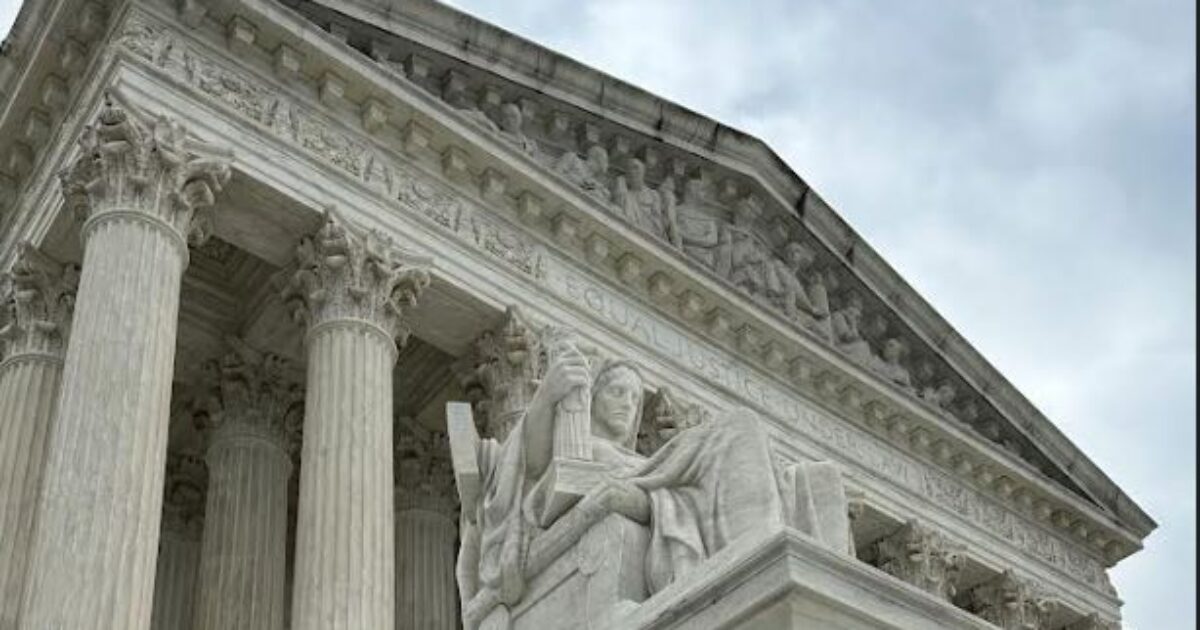
The Supreme Court ruled Monday, by a 5-4 vote, that federal election law does not require mail-in ballots to be received by Election Day. That means states can still allow ballots postmarked by Election Day to be counted after the polls close, depending on state law. The case was brought by the Republican National Committee and the Libertarian Party of Mississippi, which challenged Mississippi’s rule allowing absentee ballots to arrive up to five days later. In a country where common sense often has to fight its way through legal fine print, the Court said the statute says what it says and nothing more.
Barrett Writes That Congress Left Out Receipt Language
Justice Amy Coney Barrett wrote the majority opinion and said the federal election-day statutes do not preempt Mississippi’s law. Her point was simple: the law speaks to Election Day, but not to ballot receipt. “The election-day statutes say nothing about ballot receipt, and we cannot add to the words Congress chose,” Barrett wrote. Chief Justice John Roberts joined Barrett and sided with the Court’s liberal justices, a lineup that will no doubt send the usual crowd into overtime trying to explain how a supposed plain-language reading turned into a courtroom surprise. The ruling gives state lawmakers more power over how long ballots can keep arriving after Election Day.
Alito Warned That Election Day Means One Day
The decision comes after oral arguments earlier this year, when Justice Samuel Alito pushed back hard on the idea of endless post-Election Day counting. He said words like Labor Day, Memorial Day, and Election Day all refer to actual days, not loose suggestions for a whole season of paperwork. “If I have nothing more to look at than the phrase ‘Election Day,’ I think this is the day in which everything is going to take place,” Alito said. That warning now looks even more pointed, since the Court chose not to read a ballot-receipt deadline into the federal statute. For voters who care about clean rules and finality, the fight over mail ballots is far from over, because states still get to write plenty of their own playbook.
WE’D LOVE TO HEAR YOUR THOUGHTS! PLEASE COMMENT BELOW.
JIMMY
Find more articles like this at steadfastandloyal.com.